He (Shawn) Shuang | 双壑
  • Home
  • Publications
  • News
  • Fun

A pocket-sized museum

Tiny treasures, ancient stories

Explore colorful minerals, sparkling gemstones, and fossils from long ago.

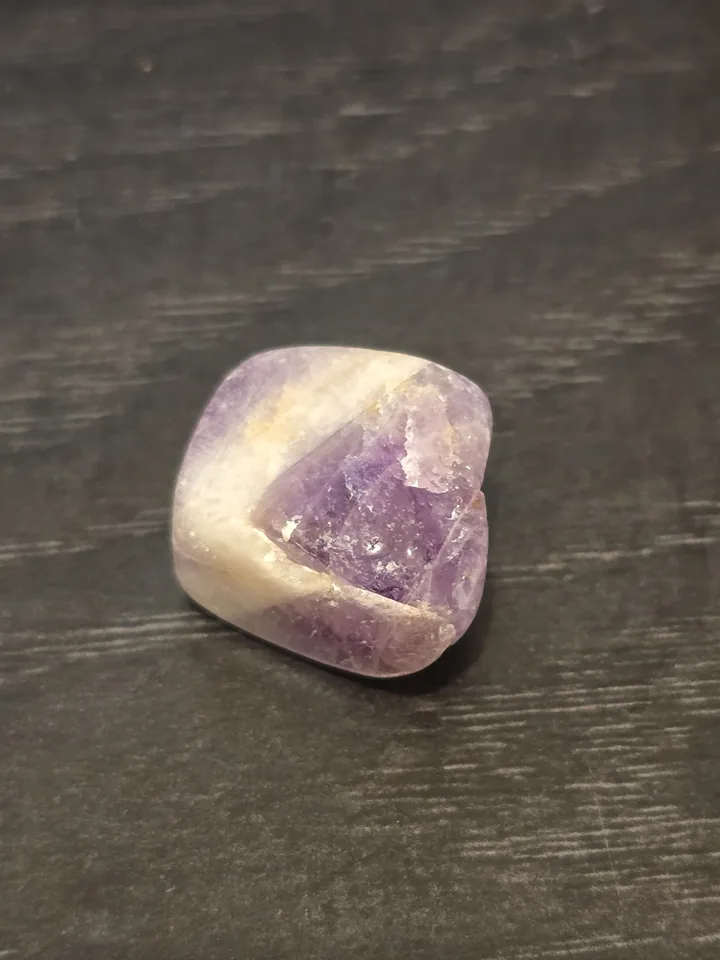
A polished, rounded purple and white stone with V-shaped chevron patterns resting on a dark, wood-textured surface. mineral

Amethyst

Look at this pretty stone! It is likely amethyst, a very popular purple type of quartz. Do you see the white stripes cutting through the purple parts? This creates a beautiful chevron pattern. Amethyst gets its lovely purple color from tiny bits of iron trapped inside the crystal while it was growing deep underground millions of years ago.

🔎 Without a hardness test, it is difficult to distinguish polished amethyst quartz from fluorite, though the chevron pattern strongly suggests amethyst.
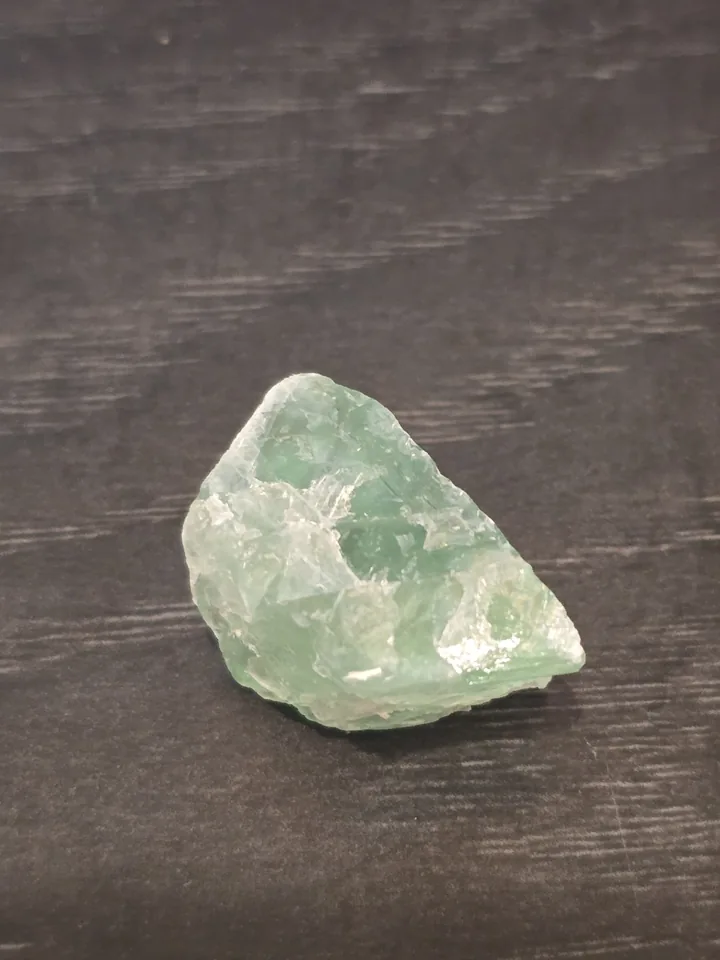
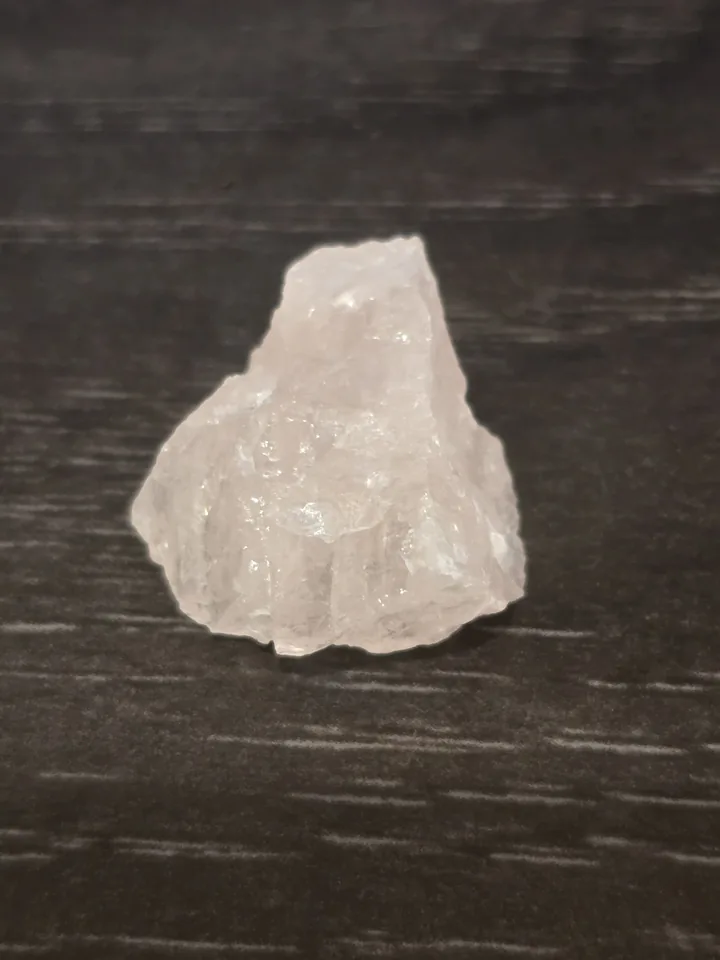
A small, rough chunk of translucent, light green mineral with fractured, glassy surfaces, resting on a dark, textured wood-like background. mineral

Fluorite

Look closely at this pretty, mint-green stone! This is likely fluorite, a very special mineral. Did you know that some fluorite specimens can actually glow under a blacklight? This cool trick is called fluorescence, and scientists named the glow after this exact mineral! Its smooth, angled surfaces show how it breaks along neat, straight lines.

🔎 Many translucent green minerals, like fluorite, calcite, or aventurine, can look very similar without chemical or physical hardness testing.

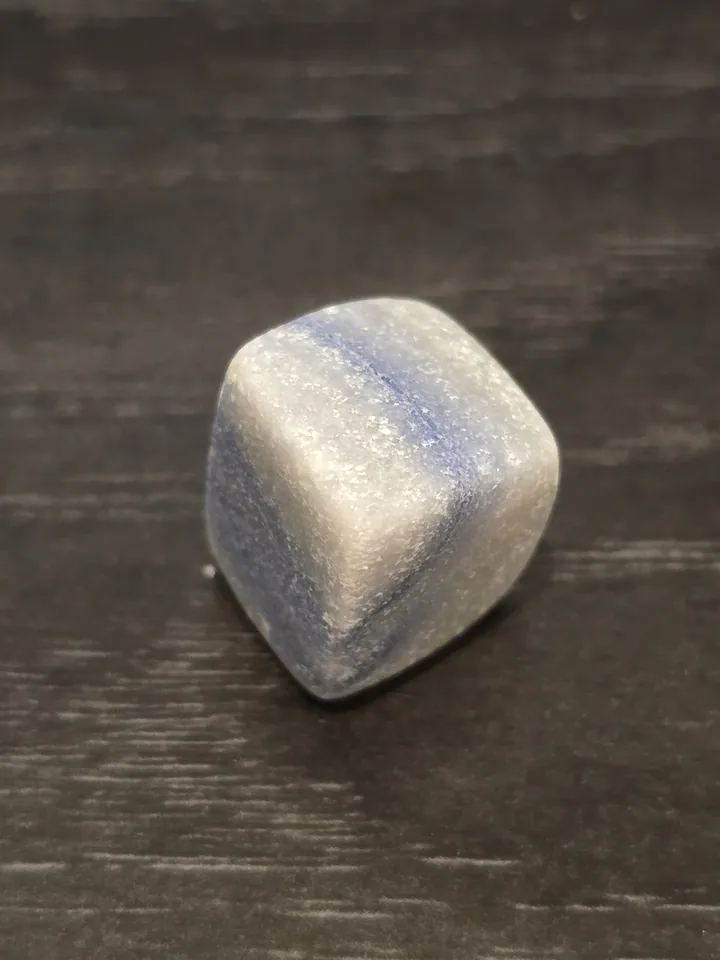
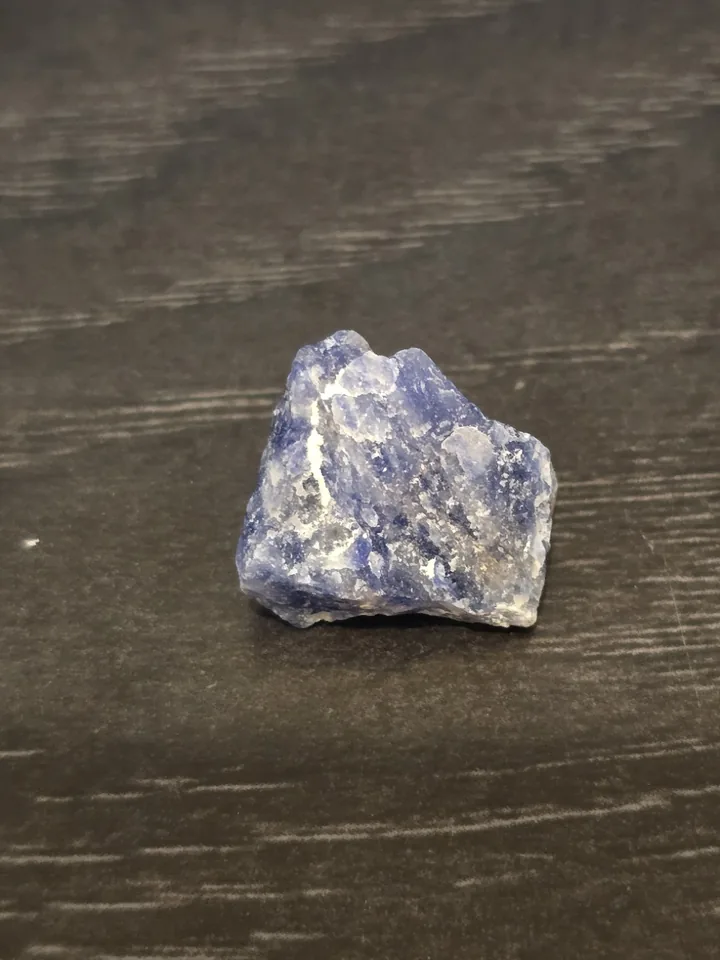
A small, rough, triangular piece of blue mineral with white streaks and a crystalline texture, resting on a dark wooden surface. mineral

Sodalite

Look at this beautiful blue specimen! It looks a lot like a mineral called sodalite, which is famous for its rich royal blue color mixed with white streaks. Sodalite gets its name because it contains a lot of sodium inside it. Artists sometimes carve this tough, colorful stone into pretty beads, jewelry, and small statues.

🔎 Visually, this specimen closely resembles sodalite or lapis lazuli, but definitive identification requires mineralogical testing.

Identifications are educational suggestions based on photographs. A hands-on examination may reveal more.

© 2026 Me. This work is licensed under CC BY NC ND 4.0

Published with Hugo Blox Builder — the free, open source website builder that empowers creators.